Progressive Muscle Relaxation for Kids: In this post, we explore this powerful relaxation technique and learn how to adapt it with guided imagery to make it work better for children. You can also download a Progressive Muscle Relaxation script and worksheet designed specifically for kids.
Progressive Muscle Relaxation (PMR) is a relaxation technique developed by Dr. Edmund Jacobson. It involves systematically tensing and then relaxing different muscle groups in your body.
Dr. Jacobson’s research and works laid the foundation for many psychology and stress management relaxation techniques.
Table of Contents
- Understanding Anxiety
- Progressive Muscle Relaxation Benefits
- Progressive Muscle Relaxation for Kids
- Tips & Advice Before You Start PMR
- Adapting PMR for Kids: Guided Imagery
- Progressive Muscle Relaxation Script for Kids
- Other Relaxation Techniques & Resources for Anxiety
- PDF Download “Progressive Muscle Relaxation for Kids
Understanding Anxiety
Before we dive into PMR, let’s take a moment to understand anxiety better.
Anxiety is a normal part of being human; it’s our body’s way of alerting us to threats and challenges, thus keeping us safe.
But anxiety becomes a problem when:
- our body alarm is triggered too often.
- responds to harmless everyday situations or,
- the response is so intense that it affects how we function.
When anxiety is triggered, there’s more going on than just a simple response. The anxiety response system has three key components:
- Cognitive: We make an evaluation of the perceived threat.
- Physiological: Anxiety activates the autonomic nervous system. This is reflected in both internal changes, like a faster heart rate and breathing, and external expressions, such as increased muscle tension or sweating.
- Behavioral: Our actions as a result of this perceived threat (our fight or flight response, avoidance behaviors, or facial expressions).
Progressive Muscle Relaxation Benefits
Research has shown that Progressive Muscle Relaxation offers numerous benefits, particularly in reducing anxiety, physical tension, and stress relief. Other examples of PMR application in clinical settings or research include:
- Help with pain management.
- Assist in headache management.
- Improve sleep problems.
- Support injury rehabilitation.
- Aid in the treatment of eating disorders.
The effectiveness of PMR has also been demonstrated in pediatric patients.
How Does Progressive Muscle Relaxation Work?
The exact mechanisms behind how this works are not yet fully understood.
The premise of this relaxation method is that physical relaxation will lead to a feeling of calmness.
As we’ve already mentioned, muscle tension is a symptom of anxiety. So, the main idea is that people who feel tense and anxious can find relief by learning how to relax their muscles. This would improve the experience in their nervous system.
Practicing PMR may also provide a sense of control over our bodies and emotions by managing physical responses to stress and anxiety.
Because the underlying mechanisms are still not fully understood, there’s no single guideline on how long a session should be, how many seconds to tense each muscle, or how often to practice. Some methods start with the feet, others with the arms, and tensing times can vary from 5 to 30 seconds. Despite the variations, the important thing is that it works effectively to reduce stress and promote relaxation.
PMR’s flexibility means it can be tailored to suit different needs and preferences. In our case, we will focus on adapting it specifically for children, adding guided imagery.

Progressive Muscle Relaxation for Kids: Script & Tips
In this section, we’ll offer general tips and advice for practicing this muscle relaxation exercise with kids, including how to adapt a script to suit younger children. We’ll also provide a script and beautiful worksheets to support you in this relaxation practice.
Tips & Advice Before You Start PMR Exercises
There are many different versions of the PMR script, reflecting the fact that the exact details of the technique aren’t set in stone.
Some advice before you start practicing and a general idea of how the two-step process works:
- Find a quiet space and a comfortable place where you will not find distractions or be interrupted.
- Make sure the child understands the instructions and can imitate the movements.
- Consider modeling the movements yourself.
- Show them the difference between tense muscles and relaxed muscles.
- Sit or lie down in a comfortable position. If you are practicing this technique with your students, you may opt for the sitting position. It’s easiest to do, especially in a classroom where lying down might be tricky or disruptive.
- Start by focusing on their breathing. “Take a few deep breaths to start relaxing.”
- Don’t overdo the muscle tensing. You should apply enough tension to feel the muscles tighten, but it should never cause pain or discomfort. The goal is to feel the contrast between tension and relaxation.
- Ask them to listen to their body: Some days, your body might feel stiffer or just different, and that’s okay. Pay attention to what your body is telling you and don’t try to push it too hard.
- If something doesn’t feel right, drop it: If an exercise feels uncomfortable, it’s okay to skip it (I’m not big on the stomach one myself).
- Tense a muscle group for about 5-10 seconds, then relax for 10-20 seconds before moving on.
- Ask them to focus on their muscles: Encourage them to notice how their muscles feel both when they’re tensed and when they’re relaxed.
- After each tense-relax cycle, ask how the muscles feel: “Do your muscles feel like jelly now?” “Is your body feeling soft like a pillow?” “Do your muscles feel lighter, like a cloud?”
- Repeat each group of muscles a few times: Doing each one a few times helps your body get used to the feeling of tension and relaxation.
- Move to the next muscle group. Continue this process by moving up your body—feet, calves, thighs, hips, abdomen, chest, arms, hands, neck, and face.
- Once you’ve tensed and relaxed all muscle groups, take a moment to enjoy your body’s relaxed state. How does your whole body feel now? Can you notice how different your body feels when it’s calm and relaxed?
Adapting Progressive Muscle Relaxation to Younger Kids
Progressive Muscle Relaxation (PMR) works by tensing and then relaxing different muscle groups in sequence, helping the body release tension and promote relaxation.
For adults, this might involve straightforward instructions like, “Make tight fists with both hands, hold the tension for a few seconds, and then slowly release.”
When adapting PMR for kids, we can make the process more engaging and fun by using guided imagery.
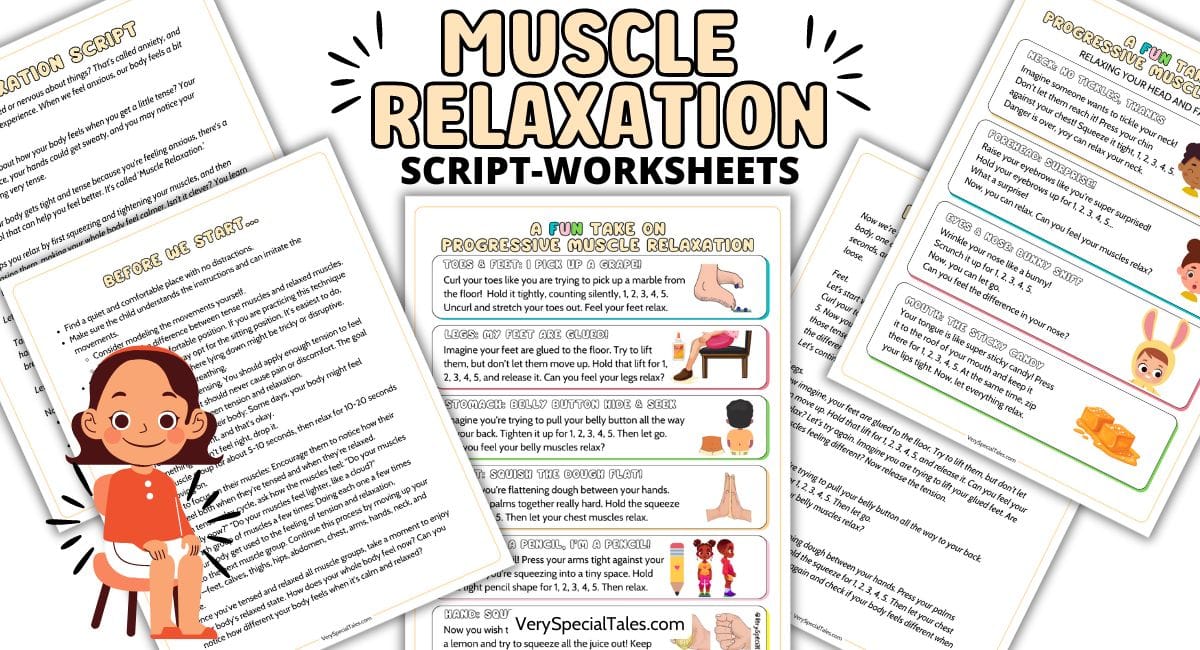
Instead of simply saying, “Make a tight fist,” we could say, “Imagine you’re squeezing a lemon in your hand—squeeze it really hard to get all the juice out! Hold it for a few seconds, then let go and feel your hand relax.” This approach makes the technique more playful and relatable, keeping kids interested and helping them connect with the sensations in their bodies.
We’ve taken that approach in adapting the PMR script for kids, which you can download at the end of this post.
Progressive Muscle Relaxation Script for Kids

The Progressive Muscle Relaxation PDF provided in this post features a suggested script with the following sections:
- Anxiety, worry, and how it shows.
- How PMR can help.
- Learning to breathe to help me calm down.
- PMR script.
Anxiety, Worry, and How it Shows
Start by sharing a brief explanation about anxiety and how it shows in our bodies. Then, you will be able to connect the physical sensations in their bodies with this great tool.
Do you ever feel worried or nervous about things? That’s called anxiety, and it’s something we all experience. When we feel anxious, our body feels a bit different. Can you think about how your body feels when you get a little tense? Your heart might race, your hands could get sweaty, and you may notice your muscles getting very tense.
How PMR can help your kid
Now, introduce the fact that since your body gets all tight and tense when you are anxious, there is a great tool that can help you feel better working with your muscles.
When your body gets tight and tense because you’re feeling anxious, there’s a great tool that can help you feel better. It’s called ‘Muscle Relaxation.’ It helps you relax by first squeezing and tightening your muscles, and then releasing them, making your whole body feel calmer. Isn’t it clever? You learn to tense and relax your muscles, and your whole body learns to be less tense. And this tool works for many other things! Some people feel they help them have better sleep and control their pain.
Learning to breathe to start calming down
Then, suggest starting by doing some breathing exercises, like belly breathing.
Let’s start by taking a few deep breaths—breathe in slowly through your nose, put a hand on your belly, and feel how it expands. Hold your breath for a few moments, then gently breathe out through your mouth.
PMR script for kids
And then, you move to the explain the PMR activity:
Now we’re going to start the exercise. We’ll focus on different parts of the body, one at a time. You’ll tighten the muscles in that part, hold for a moment, and then relax them. This will help your whole body feel calm and loose.
Let’s start with your right foot. Pretend you are picking a marble from the floor. Curl your toes and pick that marble. Hold it tightly, counting silently, 1, 2, 3, 4, 5. Now you can release it. Okay, let’s pick that marble again. Can you feel those tense muscles in your foot? Now we can relax them again. Can you feel the difference?
Let’s continue with the rest of your body.
Then, you will continue with a different body part. The PMR exercise included in this post runs you through different muscle groups, from toes to head. You can adapt the script to suit your child’s or student specific needs.
For example, if older children finds “wrinkle your nose like a bunny” too kiddy, you may use “pretend you have a fly on your nose”. Or, they may be ready for a more adult script, and you could simply say ‘scrunch up your nose and then relax.
You can download your relaxation script at the end of this post.
Other Relaxation Exercises & Anxiety Resources for Kids
The following articles explore different relaxation strategies you can practice with your kids or students:
- 5 4 3 2 1 Grounding Technique
- 14 Breathing Exercises for Kids
- 100 Calming Activities for Kids
- Fun Mindfulness Activities for Kids
- Massage Activities for Kids
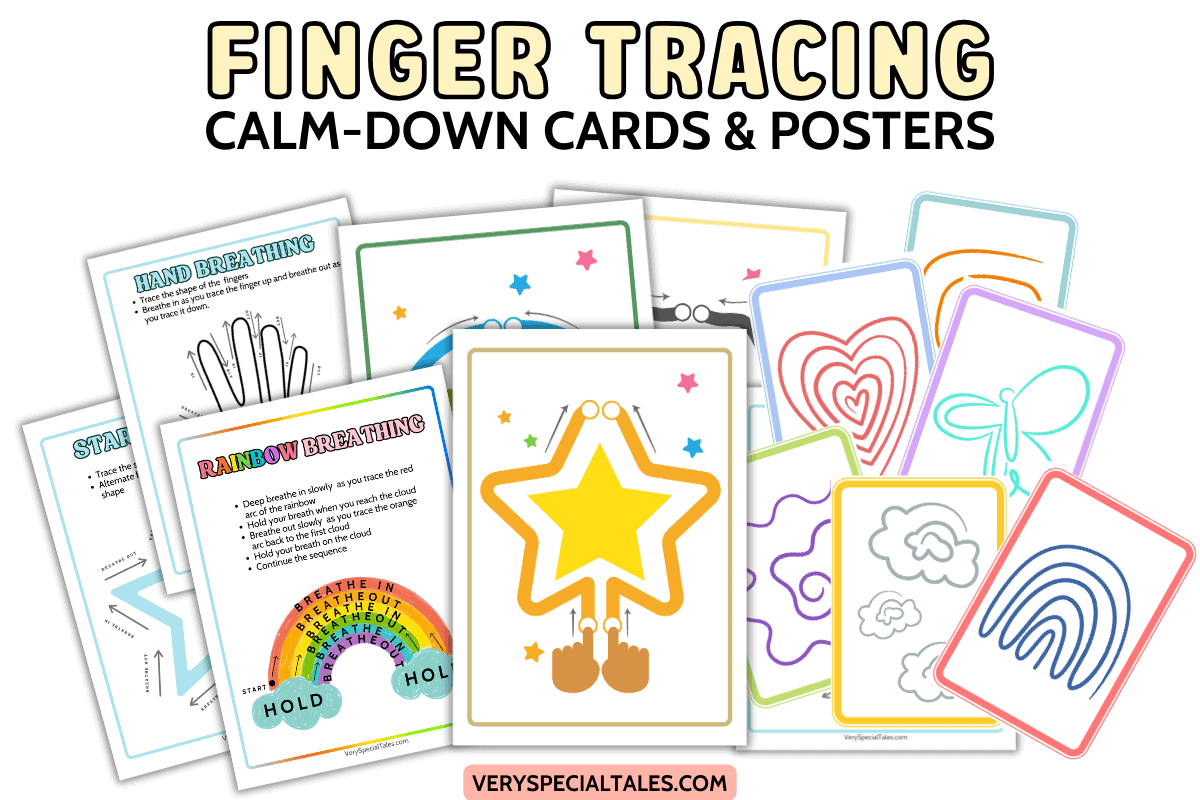
- Finger Tracing Calming Activities
- Happy Place Worksheet for Kids and Teens
Other resources to help your anxious child:
- Anxiety Workbook for Kids
- Anxiety Workbook for Teens
- Activities to Help Kids with Anxiety
- Anxiety Drawing Ideas
- Anxiety Affirmation Cards for Kids
Download your Progressive Muscle Relaxation Worksheet for Kids
Download your Progressive Muscle Relaxation script for kids (PDF) by filling out the form below:

I really enjoy receiving your posts!
Thank you for these helpful resources!
I’m a speech therapist and am excited to use your visuals to help encourage development of oral motor muscles and motor plans. Thank you!
nice