

Anger Volcano Worksheets for Teens (or Adults!): When a teen suddenly explodes, snaps over something small, or feels like their anger “comes out of nowhere,” it can be confusing and overwhelming for everyone involved. But just like a real volcano, these emotional eruptions are rarely sudden.
The anger volcano is a powerful metaphor and practical tool that helps teens understand how anger builds up over time, often fueled by hidden emotions, stress, and unresolved situations. By recognising what’s happening beneath the surface, teens can learn to release pressure earlier and respond in healthier ways.
Note: While this post focuses on supporting teens and the adults who work with them, the free anger volcano printable at the end can also be used by adults who want to explore their own anger patterns.
Related Resource: Anger Volcano for Children (Worksheet and Craft Activity)
What Is the Anger Volcano?
The anger volcano is both a metaphor and a worksheet-based tool for understanding how anger develops and why it sometimes explodes.
In a real volcano, magma slowly builds up beneath the surface. Pressure increases over time, often without any visible warning, until eventually there is an eruption.
Anger works in a very similar way.
For teens, anger often builds quietly. Stress, frustration, disappointment, fear, embarrassment, or feeling treated unfairly can pile up inside. From the outside, everything may seem calm, until a small trigger causes a sudden outburst.
The anger volcano helps teens visualise this process and understand that emotional explosions are usually the result of pressure, not just the situation in front of them.
What Fuels the Volcano: More Than Just Anger
One of the most important ideas behind the anger volcano is that anger is rarely the only emotion involved.
Inside the volcano, the “magma” represents a mix of emotions that may include:
- Frustration
- Stress or overwhelm
- Sadness or disappointment
- Fear or anxiety
- Shame or embarrassment
- Feeling powerless, misunderstood, or treated unfairly
During the teen years, these emotions are often intensified by academic pressure, social challenges, identity development, and the push for independence. Anger can feel easier or safer to express than more vulnerable emotions like hurt or fear.
The volcano metaphor helps teens see that anger is often the final result of many emotions mixing together over time.
Pressure vs Triggers: Why Eruptions Feel Sudden
A key idea in the anger volcano model is the difference between pressure and triggers.
- Pressure builds slowly, made up of ongoing stress, unresolved emotions, or repeated frustrations.
- Triggers are the final spark, often something small, that causes the eruption.
For example:- A comment from a parent
- A joke from a friend
- A change in plans
- A poor grade
On their own, these triggers might not seem like a big deal. But when the volcano is already full, even a small spark can cause an explosion.
Understanding this helps teens realise that their reactions are not random or “out of control”, they are signals that pressure has been building for a while.
Early Warning Signs: When the Volcano Starts Heating Up
Anger eruptions rarely happen without warning signs. The problem is that many teens don’t recognise these signs until it’s too late.
Some common early signs of pressure building include:
- Feeling tense, restless, or on edge
- Irritability or snapping more easily
- Headaches, stomach aches, or tight muscles
- Racing thoughts or feeling overwhelmed
- Wanting to withdraw or avoid people
Learning to notice these signs gives teens a chance to release pressure before it reaches the eruption stage.
How to Use the Anger Volcano With Teens

The aim is not to stop anger or suppress it. Anger is a normal and useful emotion. It tells us that something matters and that something may need to change.
The real goal is to help teens recognise pressure early, before it explodes.
1. Look at a Real-Life Eruption
Start by asking the teen to think about a recent moment when they felt very angry.
You might explore:
- What happened right before the explosion?
- What did they say or do?
- How did their body feel?
Working with a real situation makes the worksheet more meaningful.
2. Identify What Was Building Up
Next, shift the focus to what had been happening before that moment.
Use prompts like:
- “What stresses had been piling up?”
- “Were there things you were holding in?”
- “Had anything similar happened earlier?”
Examples might include:
- Ongoing school pressure
- Feeling left out socially
- Repeated arguments at home
- Feeling criticised or misunderstood
This step helps teens see that the eruption was part of a larger pattern.
3. Spot Triggers and Warning Signs
Help the teen identify:
- Common anger triggers that tend to set them off
- Early signs that pressure is rising
This is where the worksheet becomes a practical self-awareness tool, not just a reflection exercise.
4. Make It Personal
The free Anger Volcano printable includes a blank version that teens can use to map their own experiences.
They can explore:
- Pressure sources
- Triggers
- Early warning signs of anger
- Notes or reflections about what helps release pressure
Your PDF includes examples, but personalising the worksheet is what makes it truly useful.
Healthy Ways to Express Anger
Understanding the volcano is the first step. The next is helping teens find ways to release pressure regularly.
Some helpful options include:
- Problem-solving – Identifying what’s in their control and brainstorming options.
- Burning negative energy – A run, a workout, dancing, or even a brisk walk to burn off adrenaline.
- Creative outlet to process feelings: Journaling, music, art, or photography can express complex feelings.
- Healthy distraction to cool down: Puzzles, drawing, a short game, then revisit the issue.
- Talking it out – Choosing a trusted friend, family member, or counselor.
- Mind and body calming techniques – Deep breathing, progressive muscle relaxation, or guided imagery.
Other Anger Management Resources for Teens
Find more practical tools and ideas to help teens manage anger, build insight, and choose healthy next steps:
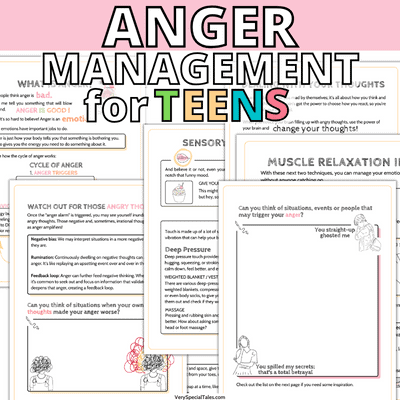
Anger Management Workbook for Teens:
A practical workbook for teens to learn what anger is, spot triggers and signs, and choose healthy responses.
Anger Management Activities for Teens:
A blog post that explores anger signs and triggers in teens and effective anger management techniques to help your young person address their frustrations in a positive way.
Anger Volcano Worksheets for Teens (PDF Download)
In your free Anger Volcano PDF, you’ll find:
- Quick guide: understanding the anger volcano
- Anger Volcano Worksheet (2 versions: color and black-and-white)




Looking forward to using the anger volcano worksheet as a resource for some of my students