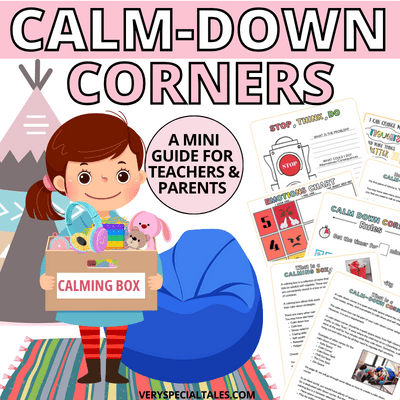

Calm-Down Corners for Home or the Classroom: When you notice a student struggling with anxiety or worry, on the brink of a meltdown, or experiencing sensory overload, wouldn’t it be great to have a quiet space where they can take a moment to regain their equilibrium and reset?
Well, this is more than just wishful thinking—it can become a reality. More and more teachers and parents are incorporating a calm-down corner into their emotional regulation toolkit, providing a safe environment for their students or kids to self-regulate.
Table of Contents
- What is a Calm-Down Corner (and what makes a great calming corner!)
- Benefits of Creating a Calming Space
- How to Create a Calming Corner
- How to Introduce this Calming Space to Students/Kids
What is a Calm-Down Corner?
A “calm-down corner” is a designated space, often in a home, classroom, or therapeutic setting, designed to be a quiet and soothing area where children can go to manage their big emotions. When kids feel overwhelmed, upset, or stressed out, getting to a calm-down area can make coping with these overwhelming emotions a lot easier.
Other names for the Calm-Down Corner
You may be wondering if the cozy corner or the safe zone is the same concept.
Yes, there are many names that describe this quiet spot that promotes self-regulation: quiet corner, comfort corner, zen place, calm-down area, quiet area, calm-down space, quiet place, or peace corner.
Just pick the name that resonates with you and your students.
What Makes a Great Calm-Down Corner?
Many people worry about how to create the perfect calm-down corner. There are so many picture-perfect spots online displaying gorgeous posters and fluffy carpets. The good news is you don’t need any of that. A calm-down corner is just a quiet space where kids or students self-regulate. It’s a calming space to take a break, practice healthy coping strategies, or simply distract themselves.
So, once this important point is clear, there are some elements that may contribute to a great calm-down corner:
- Quiet / Out of the Way: Set up your cozy corner in a low-traffic area to give students privacy and minimize distractions.
- Soothing: If you have the budget, add items that can help soothe and comfort, like soft pillows, blankets, a bean bag chair, stuffed animals, a soft mat, or sensory toys.
- Engaging: Add some calming activities, such as a coloring book, a puzzle, books, fidget toys, or a device. Engaging in these activities will help your students shift their focus and distract from their worries or triggers.
- Safe: The space should also be physically safe. There should be no sharp edges or hard surfaces that could cause injury if a child is upset.
- Inviting: Make the space appealing and comfortable.
- Voluntary: The calm-down corner is not a spot for time outs. It’s a welcoming spot where your child or student chooses to go on their own.
The goal of a calm-down corner is to provide a space where kids can practice self-regulation and calming strategies. But if space is an issue, a calm-down kit is a perfect backup option.
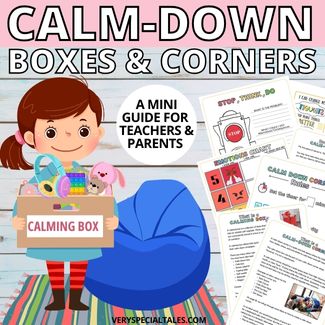
If you are looking for lots of practical tips, you may want to check out our Calm-Down Corner Easy Guide.
Benefits of Creating a Calm-Down Space
Having a calm-down corner can offer many benefits, particularly for children as they develop emotional regulation skills. Here are some of the key advantages:
- Self-Regulation: It promotes the development of self-regulation skills. Children use the space to manage feelings such as anger, frustration, or anxiety.
- Coping strategies: The corner provides an opportunity for children to practice coping strategies like deep breathing, mindfulness, or sensory activities.
- Safe space: It serves as a safe space where children can go without feeling isolated or punished, reinforcing that it’s okay to feel upset and that there are constructive ways to handle those feelings.
- Reduction of behavioral issues: By using the calm-down corner, children may be able to prevent emotional escalation.
- Increased focus and learning: After spending time in the calm-down corner, kids are often better able to focus. They can engage in learning or social activities as they feel more centered and less overwhelmed.
- Independence: It encourages independence as children learn to take initiative in managing their emotions.
- Emotional literacy: Consider adding materials that help children learn about emotions and develop empathy, such as books or emotion charts that describe feelings.
- Inclusivity: It supports the needs of all children, including those with sensory processing challenges, autism, or ADHD, as it provides a space to meet their sensory and emotional needs.
How to Create a Calming Corner?
Once you have decided that the calming corner is the tool you need to support your kids or students, there are some simple steps that will help you create a safe place for emotional support:
- Find the right spot:
- Choose a quiet, low-traffic area away from distractions.
- Ensure it is easily accessible and safe for the child to retreat to when needed.
- Make it comfortable:
These are some ideas to consider:- Make it comfy; add pillows, bean bag chairs.
- Set up a small tent to create a cozy atmosphere.
- Keep the area uncluttered to avoid sensory overload.
- Incorporate different tools to aid self-regulation:
Incorporate in your calm corner the necessary tools to help deal with your students’ strong emotions in a healthy way:- Sensory items:
- Consider adding deep-pressure items like weighted blankets or stuffed animals.
- Add sensory toys such as stress balls, fidget spinners, or tactile mats that can help with self-regulation.
- Think about including calming visual elements like a lava lamp or a slow-moving mobile.
- Educational materials:
- Have books about feelings and coping strategies available for older children to read and learn from.
- For younger children, picture books that illustrate different emotions can be helpful.
- Tools and activities:
- Have calming activities available, like coloring books, puzzles, or quiet music.
- Include emotion cards or charts to help children identify and articulate their feelings.
- For more ideas: What to Include Calm-down Box or Corner.
- Sensory items:
- Set clear guidelines:
- Establish rules for the use of the calm-down corner so that it is a positive and safe space.
- Teach the child that it’s a place for quiet reflection, not for play or punishment.
- Create a soothing atmosphere:
This probably works best at home, where you have no limitations to what you can do to create a soothing atmosphere:- Soft lighting, such as a small lamp or string lights, for a calming effect.
- Soothing scents.
- Ask your students to help personalize the space:
- Allow the child to have a say in how the calm-down corner is set up and decorated to give them a sense of ownership and control over their space.
- Teach and model how to use the space:
- Before the space is needed, practice with the child how to use the calm-down corner.
- Model calm-down techniques and discuss what kinds of feelings might lead them to choose to use the space.
- Maintain the space:
- Regularly check in with the child about the corner and update or replace items as needed.
- Keep the space clean and inviting.
Remember, the goal of the calm-down corner is to provide a sanctuary where children can independently choose to go to process their emotions and develop coping skills in a supportive environment. It’s not a one-size-fits-all; you can tailor it to the specific needs and preferences of the child or children who will be using it.
How to Introduce this Space to the Children?
Introducing a calm-down corner to children is a delicate process that involves clear communication, demonstration, and positive association. Here’s how you can introduce this space effectively:
- Explain its purpose:
- Use simple language to explain that the calm-down corner is a special place to go when they feel upset, angry, or just need a break. It’s a spot where they can feel safe and calm down.
- Invite your students to join in creating and decorating the space:
- Let the child help choose what goes into the calm-down corner and how it looks. This makes them feel like it’s really their own special spot.
- Teach and model how to use the space:
- Demonstrate how to use the space. Pretend to feel upset and show them how you decide to go to the corner, use the items, and come out feeling better.
- Practice with the child how to use the calm-down corner: Use role-playing to practice different scenarios in which they might choose to use the calm-down corner.
- Discuss feelings and triggers:
- Have conversations about big feelings and what might make them want to use the corner. Discuss recognizing these feelings and deciding to go to the corner before feelings get too big.
- Establish guidelines:
- Set clear and simple rules for the space, time limit, when it’s appropriate to use it, and taking turns if necessary. This will be an important element in your classroom management. You don’t want the kid to expect to use the corner for the entire class period, so they need a clear expectation of the amount of time they can spend there.
- Positive reinforcement:
- Encourage and praise the children when they use the space appropriately.
- A Calm-Down Corner is not a Time-Out Spot:
- Make sure the children understand that the calm-down corner is not a punishment. It’s a helpful positive space for them, not a consequence for bad behavior.
- Get feedback:
- Ask your kids/students about their experience in the corner, what they like about it, and if there’s anything they would like to add or change.
- Integrate it with your daily classroom routine:
- Make it a part of the daily routine, not just something that is used during moments of distress. For example, you could have a “quiet time” where children can choose to spend time in the corner reading or relaxing.
By introducing the calm-down corner with sensitivity and care, you encourage children to view it as a resource for managing their emotions, thus fostering their emotional intelligence and independence.
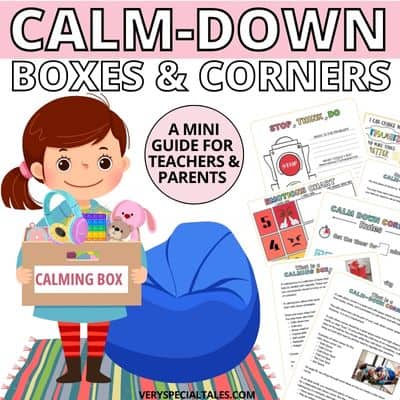
Would you like to learn more about how to set up a calming corner? Check out our Calm-Down Corner/Box Easy Guide.
Other Social-Emotional Learning Resources
- What to Include in your Calm-Down Box.
- How to Make Your Own Sensory Bottles (7 different options!).
- Deep Breathing Exercises / Breathing Techniques for Kids.
- Fun Yoga Poses (Animal Poses).
- 40 Sensory Activities for Kids All Ages.
- Finger Tracing Calm-Down Resources
- Happy Place Worksheet (Calm-Down Activity)

Thanks for sharing this information. I’m also a special education teacher and love implementing calm corners inside my classroom.