
Social Skills Activities for Teens: During adolescence, social skills are truly put to the test. As young people face new challenges like more complex relationships, identity exploration, and peer pressure, their ability to communicate, cooperate, and manage conflicts becomes more important than ever.
It’s not just about “getting along with others.” Social skills are directly linked to emotional well-being, academic performance, self-esteem, and the prevention of issues such as social anxiety, isolation, or risk-taking behaviors.
And while many of these skills develop naturally, not all teens start from the same point or learn at the same pace. That’s why practicing social skills in an intentional way can make a big difference.
Below you’ll find a collection of 30 social skills activities for teens, organized into key areas such as communication, group participation, emotional regulation, and friendship. These activities can be used in educational, clinical, or family settings.
Related Resources:
Social Skills Activities for Teens
Social skills activities are structured exercises that give teens a safe space to practice communication, teamwork, and handling emotions in both real and role-play situations.
The social skills activities we suggest are organized into the following categories:
- Communication
- Active Listening
- Group Participation
- Emotion Management
- Friendship
- Empathy
- Conflict Resolution
Communication
- Introductions with a Twist
Have students introduce themselves with a short biography, but slip in one false detail. The group’s challenge is to spot the untrue fact. It’s a fun icebreaker that helps teens practice self-expression, storytelling, and the use of non-verbal cues. - 60-Second Introductions
In small groups, each teen has one minute to present themselves, sharing something they enjoy and a quirky anecdote. The group can then ask a follow-up question.
This exercise helps teens express themselves more clearly, build confidence, and improve their public speaking skills. - Conversation Starters Challenge
Provide a set of conversation cards with fun or unusual prompts. Teens pick one and use it to spark a group conversation.
This activity makes it easier for them to break the ice and gain confidence when starting interactions. - Role-Play: Reading Social Cues
Students act out different social situations (formal vs. casual settings, meeting a teacher vs. meeting a friend). The group analyzes tone, facial expressions, and eye contact to decide what’s appropriate. - Interview a Partner
Teens pair up, ask three personal questions (favorite hobby, proudest moment, future dream), and then introduce their partner to the group. Encourages both speaking and listening. - Body Language Detective
Show short silent video clips or images of people in different situations. Teens guess the emotions or intentions based on posture, gestures, and facial expressions.
Related reading:
50 Communication Activities for Kids
Public Speaking Activities for Teens & Kids
Active Listening
- Story Relay
One student tells a story for 30 seconds, then another continues where it left off.
The trick? You can only continue if you’ve listened carefully. - What Did You Hear Exactly?
Read a short text aloud (it can be a news story or a short narrative) and then ask very specific questions about what was heard: What was the main character’s name? What happened first? And so on.
This activity trains attentive listening, helps filter relevant details, and makes teens more aware of both internal and external distractions. - Echo Listening
In pairs, one person shares a short story. The listener must repeat back the key points in their own words. Builds focus and reinforces active listening. - Spot the Non-Verbal Cues
Active listening is not only about paying attention to words, it also involves noticing body language and tone. Play a recording or read a script while acting out mismatched body language (smiling while saying sad words). Teens identify the inconsistencies and discuss why non-verbal communication matters. - Follow the Instructions
One student gives step-by-step directions to complete a drawing or folding activity. The listener must follow carefully. Highlights the role of attention in problem-solving skills.
Related Reading:
Active Listening Activities for Teens
Group Participation
- Blind Drawing
In pairs, one student describes a picture while the other draws it without seeing it. Compare results to reflect on clarity and teamwork. - What Would You Do? Role-Play
Students act out peer pressure scenarios (being asked to cheat on a test, gossip, or follow a trend). Afterwards, the group discusses assertive responses. - Team Sports Reflection
Play a short cooperative game (like volleyball, soccer, or basketball). Afterwards, reflect on teamwork, personal space, and effective communication on the field. - Problem-Solving Relay
Divide the class into small groups. Each group is given a “social problem” (e.g., how to include a new student). They brainstorm solutions, pass them to the next group, and refine each other’s ideas. Encourages critical thinking and group collaboration. - Silent Line-Up
Teens line up by birthday, shoe size, or height without speaking. Using only gestures, they practice cooperation, non-verbal communication, and group problem-solving. - Explore your Social Battery
Being part of a group can be great, but teens won’t always have the same amount of social energy. Exploring their social battery can help them notice what drains and recharges their energy and plan ahead for social situations. In this Social Battery for Teens post, you’ll find a free worksheet and plan to work through this activity.
Emotion Management
- Personal Emotional Thermometer
Each teen creates a “thermometer” where they identify:
🔴 What makes them lose control
🟡 The warning signs they notice in their body
🟢 The strategies that help them calm down or regain balance
It can be used in the classroom or in counseling to reflect on emotional self-regulation. - Emotion Charades
Teens act out emotions without words, while others guess. Builds emotional awareness and helps decode non-verbal communication. - Stress Busters Brainstorm
Groups list healthy coping strategies for stress (exercise, music, journaling). Share and create a classroom poster. - Mindful Breathing Circle
Practice a short breathing exercise together. Teens notice how it helps them regain calm during intense social situations. - Scenario Reflection
Provide cards with situations (a fight with a friend, being excluded from a group, failing a test). Teens reflect on their emotional reaction and healthier coping responses.
Friendship and Healthy Relationships
- What Makes Friendship Work?
Brainstorm the qualities of a good friendship. In small groups, create a “Healthy Friendship Guide” with dos, don’ts, and conflict resolution tips. - Common Ground
In groups, find five things everyone has in common. Go beyond the obvious. This shows that shared experiences often strengthen bonds. - Friendship Timeline
Teens draw a timeline of their closest friendships, marking key moments. Helps reflect on how relationships grow and change. - Supporting a Friend in Need
Discuss scenarios (a friend dealing with social anxiety, family stress, or peer pressure). Brainstorm helpful ways to offer support. - Compliment Circle
Each student gives a specific compliment to the person on their right. Builds trust and social competence.
Empathy and Perspective-Taking
- Walk in My Shoes
Teens rewrite a situation from three perspectives: the one who acts, the one who suffers, and the bystander. Promotes empathy and interpersonal skills.
Related reading: Anti-bullying Activities for Kids - Media Perspective Swap
Show a short clip of a conflict or misunderstanding. Ask teens to retell it from each character’s point of view. - Emotion Journal Exchange
Pairs write a short journal entry from the perspective of another classmate’s experience. Then discuss how it felt to “step into their world.”
Related Reading:
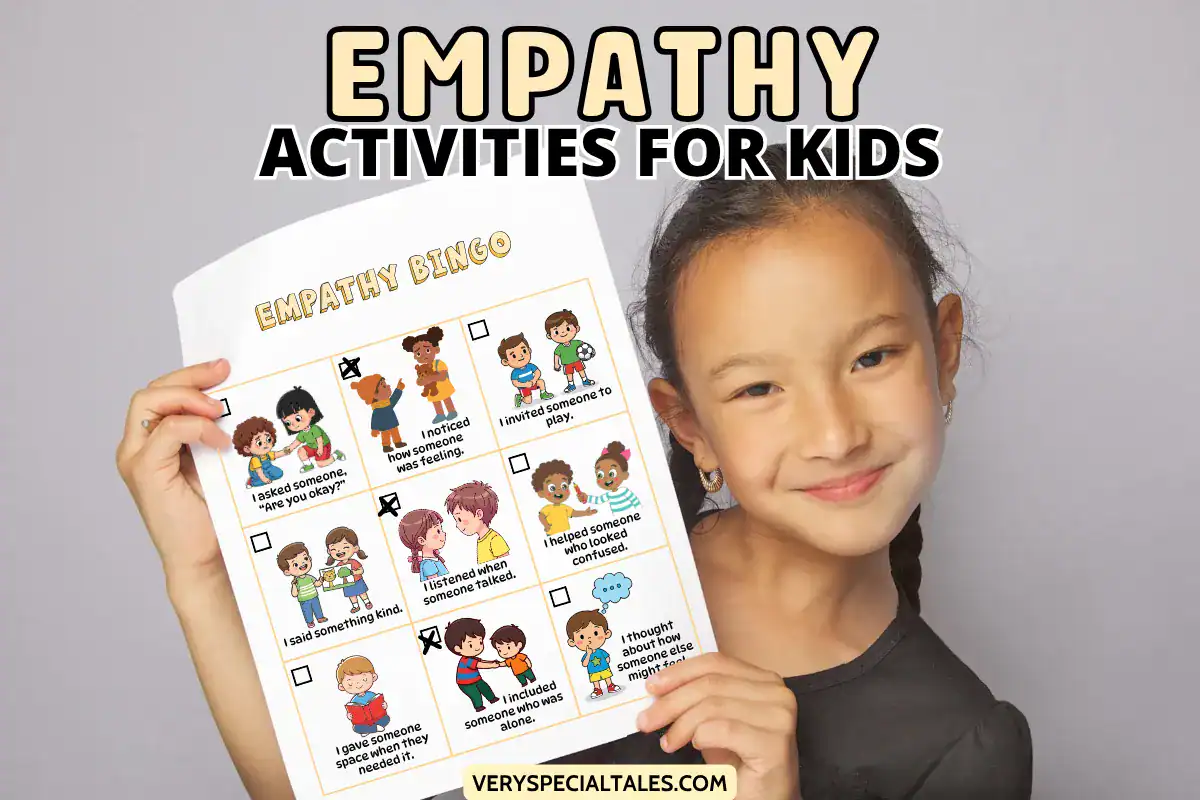
Empathy Activities for Kids
Perspective-taking Activities for Kids
Conflict Resolution
- Five Ways to Solve a Conflict
Present a conflict (e.g., two people want the same computer). Teens identify strategies: avoidance, giving in, competing, negotiating, or collaborating. Then discuss the consequences of each.
Related Reading: Conflict Resolution Activities for Kids
Social Skills Workbook for Teens
Want even more ways to build social skills?
Take a look at the Social Skills Workbook for Teens:
Packed with 100+ pages of guided exercises, practical tools, and activities you can use in the classroom, in counseling, or right at home.

Final Thoughts
Helping teens strengthen their social skills isn’t just about smoother interactions. It’s about building lifelong tools for confidence, resilience, and well-being. Whether through role-plays, group activities, or simple conversation starters, practicing these skills gives teens the chance to face social problems with greater confidence and competence.
Other Social Skills Articles
- Social Skills Activities for Kids
- 66 Important Social Skills for Kids
- Social Skills Games
- Personal Space Activities for Kids



Thank you so much for the awesome free material that I am using with my child. This has helped out so much.