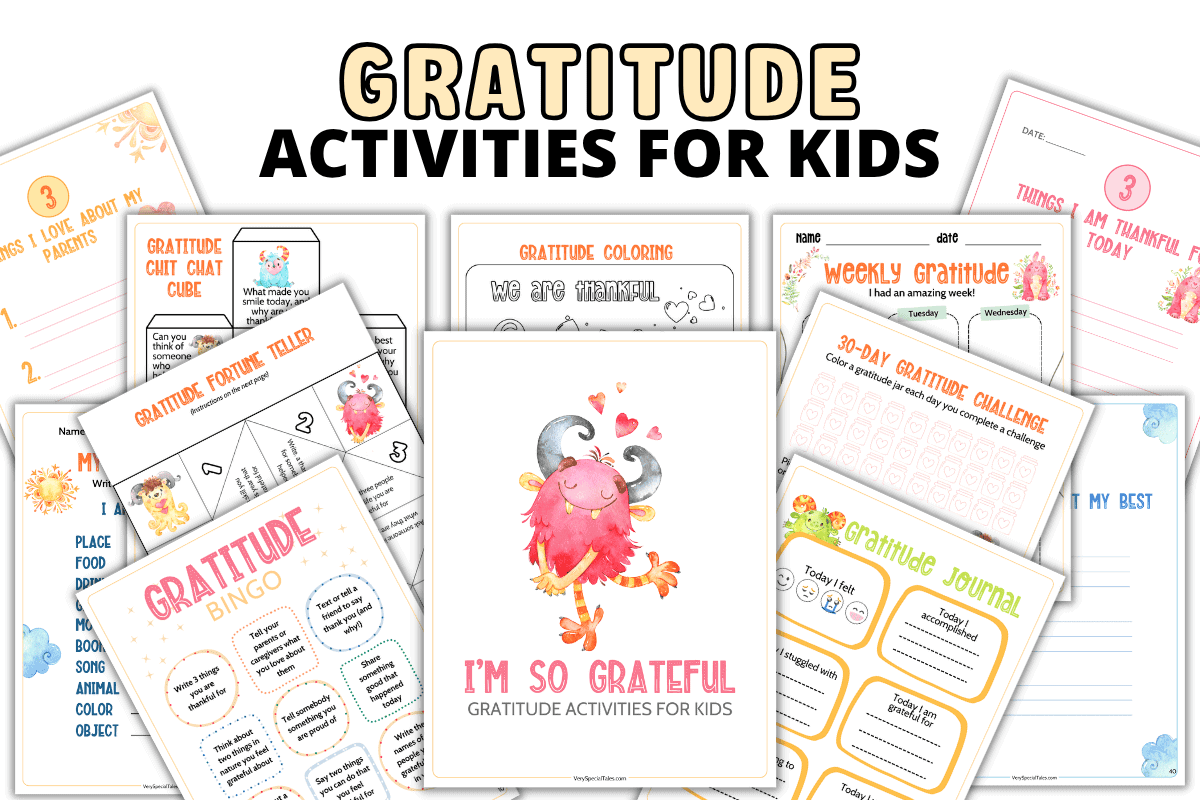
Gratitude for Kids: In this article, you’ll find more than 30 fun gratitude activities for kids — from journaling pages and thank-you notes to crafts, songs, books, and games that help children explore what it means to be thankful. You’ll also learn about the research-backed benefits of gratitude. And if you’re looking for something ready to go, don’t forget to check out our Printable Gratitude Activities for Kids (perfect for home or classroom use).
Gratitude, thankfulness, or gratefulness, is a feeling of appreciation for the good people and things in one’s life.
Gratitude is a powerful emotion and attitude towards life that helps kids (and adults) feel happier, more resilient, and more connected to others.
Psychology traditionally focused on negative emotions, so research on gratitude is relatively new.
But gratitude isn’t new. Many traditions and major religions around the world have long encouraged thankfulness as a way to build kindness and well-being.
Table of Contents:
- Benefits of Practicing Gratitude
- Gratitude for Kids
- Tips on How to Teach Gratitude to Kids
- 40 Gratitude Activities for Kids
- Research on Gratitude
(Disclosure: We are a participant in the Amazon Services LLC Associates Program, an affiliate advertising program designed to provide a means for us to earn fees by linking to Amazon.com and affiliated sites. As an Amazon Associate, I earn from qualifying purchases. There may also be other affiliate links in this post. You can also read our Disclosure & Disclaimer policy here)
Benefits of Practicing Gratitude
Why does everybody seem to be talking about gratitude these days?
Because research keeps showing just how powerful it can be! Studies have found that practicing gratitude can boost our mood, improve relationships, and even support better physical health.
The benefits of gratitude may include:
- Feeling good about our lives
- Optimism about the future
- Higher levels of subjective wellbeing (life satisfaction, vitality, subjective happiness, optimism, hope, and positive affectivity)
- Improved psychological health(fewer symptoms of depression and anxiety)
- Fostering pro-social behaviors
- Increased resilience
- Better coping skills
- Improved perceived physical health
- Developing healthier habits, like exercising more exercise
- More focus enabling effective functioning and goal-attainment
- Improved social life/relationships – it helps us make new friends and strengthen our current relationships
- Better sleep
As usual, a word of caution.
Research suggests that while practicing gratitude can support emotional wellbeing, it is not considered a treatment for anxiety or depression. These conditions are best addressed through professional help, such as therapy or medical support.
Gratitude for Kids
Gratitude grows best when it’s part of everyday life, not just something we talk about on special occasions.
The good news is that it doesn’t have to be complicated. Gratitude is like a muscle — the more we practice it, the stronger it gets.
When you notice that the children in your life could use a little “gratitude workout,” try modeling it yourself and weaving some of the simple tips and activities in this article into your daily routines.
6 Tips of How to Teach Gratitude to Kids
Teaching kids to be grateful doesn’t have to be complicated.
In fact, it can be a simple, joyful habit that brings families closer together.
Here are some easy ways to help children build their “gratitude muscle” and make thankfulness part of everyday life:
- Be a role model.
Kids learn most by watching us. If they see you expressing gratitude often, they’ll start doing the same. - Thank your children. Often.
Saying “thank you” to your child shows that their efforts matter.
Even if what they did wasn’t perfect (maybe they cleaned the sink with neon pink toothpaste!), you can still appreciate the intention behind it. - Talk about their gratitude in front of others.
When you mention your child’s kindness or helpfulness to another adult, your words make a big impact. A simple comment like, “Johnny helped me sweep the kitchen today,” can boost their confidence and encourage more positive behavior. - Add gratitude to your family routines.
Bedtime, dinner, or even car rides can become natural moments to share what everyone is thankful for. (You’ll find more activity ideas in the next section.) - Avoid giving everything instantly.
When kids have to wait or work for something, they learn to appreciate it more deeply — and feel proud when they finally get it. - Involve them in thanking others
If you’re writing a thank-you note or showing appreciation, invite your child to help. They could draw a picture, add a message, or suggest what to say.
Testimonial
“When I worked in summer camps and I was looking for a way to brighten up another counselor’s day, I would get some campers involved in the fun! If I wrote a letter expressing gratitude, I would include a few pictures that campers had drawn. Then, while the campers were coloring, I could direct the conversation to help the kids express their own gratitude”
40 Best Gratitude Activities for Kids
Gratitude isn’t just a nice feeling. It’s a skill that grows stronger with practice.
In this section, you’ll find creative and engaging gratitude activities that help kids notice and appreciate the good things in their lives. These ideas go beyond simple games. They give children and families a chance to express gratitude, connect with each other, and build lasting positive habits.
- Gratitude Journal
Encourage your kids to write in a gratitude journal each day. They can list a few things, people, or moments they’re thankful for.
It’s a simple habit that helps them focus on the positives and end each day with a happy heart.

Tips 💡 Starting a gratitude journal will bring many other benefits 👉 Benefits of Journaling for Kids
- Gratitude Prompts
This activity is perfect for younger kids who aren’t ready to keep a journal yet but are starting to explore what it means to be thankful.
You can use gratitude prompts to help them think about people, things, or moments that make them feel happy and grateful. Try them during quiet moments, long drives, or even while waiting in line — it’s a simple way to spark thoughtful conversations.
Get creative and see what your kids come up with — you might learn a lot about what matters most to them!
A few examples to get started:- I am grateful for these three things that I see
- I am grateful for these three people
- I am grateful for these three animals.
- Start a Gratitude Challenge
A gratitude challenge is a fun way to build a daily habit of thankfulness.
You can set a goal to write, draw, or share one thing you’re grateful for each day for a week or a month.
Challenges like this help kids notice more positive moments and make gratitude part of everyday life. - Thank You Notes
Writing a thank-you note is a simple but powerful way for kids to show appreciation.
Encourage them to write short notes to friends, teachers, or family members who have done something kind.
This small gesture helps kids practice expressing gratitude in words, and it always makes someone’s day a little brighter.

- Gratitude Collage
A gratitude collage is like a visual version of a journal.
Kids can cut out pictures from magazines or draw their own images to show the things, people, or moments they feel thankful for.
It’s a creative way for visual learners to express gratitude and see all the good things in their lives come together on one colorful page.
Testimonial
“When I worked with children living in homelessness, this was a favorite activity because they could use it to express positive emotions when they may not have had the vocabulary to journal.
Since we met every morning for a short 30 minutes, I would have them draw one new thing that they were grateful for each morning then they would glue it to their poster board. We would continue this until the board was full then they could take it with them.
The gratitude journal helped shift their mindset into a more grateful mental space as well as increased their pride in their own lives. I always looked forward to doing this activity with other kids and now I integrate it into my own children’s lives” Christine
- Gratitude Wall
A gratitude wall is like taking the collage idea to the next level.
It can be a family, classroom, or even a school-wide wall.
We call ours “The Wall of Happiness”. It’s a mix of things we love, moments we appreciate, and achievements we’re proud of. - Create a Gratitude Bedtime Routine
Add a little gratitude to your bedtime routine.
Taking a few minutes to think about what went well during the day helps kids end the evening with a calm and positive mindset.
Research shows that reflecting on things we are grateful for helps make gratitude a natural habit.
And it is a lovely way to finish the day feeling thankful and peaceful. - Bring Gratitude to the Dinner Table
Take turns to share with the family something that happened during the day that you are thankful for. This Table Topic – Kids Conversation Pack can prompt opportunities for conversations about the people, places, and simple things for which we are most grateful for. - Write a gratitude letter to your family
Writing a gratitude letter is a wonderful way for kids to share their appreciation with the people who mean the most to them.
They can write about why they are thankful for each family member or recall a special memory that makes them feel grateful. - Gratitude Drawing
Make a really nice drawing of somebody or something you love and you are thankful for having in your life. - Choose a charity together
Help your kids choose a charity or cause that matters to them and make a small donation together.
It is a wonderful gratitude activity that encourages reflection on how fortunate we are and how we can share with others who need support. - Gratitude Reading
There are lovely books for all ages that can teach kids about gratitude and being thankful.
Check out the titles below:
- The Thankful Book
- Grateful Ninja
- Thankful
- Mateo Finds His Wow: A Story of Wonder and Gratitude
- When Grandma Gives You a Lemon Tree
- Being Thankful
- The Thanksgiving Tree / Thankful Tree / Gratitude Tree
A Gratitude Tree is a beautiful way for kids to see their thankful thoughts grow over time.
Each leaf represents something or someone they are grateful for, creating a visual reminder of all the good things in their lives.
To make one, write on each colorful paper leaf what or who you are thankful for, then hang the leaves on a branch or display them on a wall.
It is a simple DIY craft you can prepare at home with paper, scissors, and a bit of creativity.
Read more about this activity: Simple steps to make a Gratitude Tree and turn thankful thoughts into colorful leaves. - A to Z Gratitude Challenge
Challenge your kids to find something they are thankful for with every letter of the alphabet.
It is a playful way to spark creativity and help kids realize how many wonderful things they have to appreciate. - Gratitude Conversation Cubes
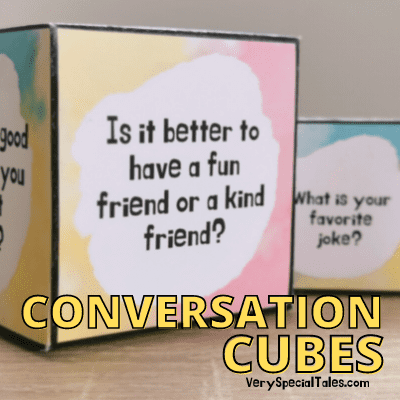
Gratitude Conversation Cubes are a fun way to get kids talking about what they are thankful for.
Each side of the cube includes a simple prompt or question that helps children share their thoughts and feelings about gratitude.
You can learn more and download the printable version here: Gratitude Conversation Cubes Activity.

- Prepare Gratitude Rocks
Gratitude Rocks combine creativity, mindfulness, and thankfulness in one fun craft.
Kids paint or decorate small rocks and write a word or picture on each one to represent something they are grateful for.
These little rocks can be kept in a jar, placed around the garden, or shared with friends as reminders to appreciate the good things in life.
You can read the full tutorial here: How to Make Gratitude Rocks Step-by-Step. - Gratitude Jar / Thankful Jar
A Gratitude Jar is a simple but meaningful way to collect thankful thoughts throughout the year.
Kids can write or draw something they are grateful for on small slips of paper and place them inside the jar.
Over time, it fills up with happy memories and reminders of life’s little blessings.
You can open the jar at the end of the year, on a birthday, or whenever your family needs a boost of positivity. - Gratitude Scavenger Hunt
Go on a scavenger hunt to find things you are thankful for.
Look for items, people, or moments that make you smile and add them to your gratitude list. - Gratitude Walk
Take a walk together and notice things to be thankful for along the way.
It is a peaceful way to slow down, enjoy nature, and practice gratitude in the moment. - Gratitude Challenge
Set a family or classroom goal to practice gratitude every day for a week or a month.
Share your thankful thoughts together and celebrate how good it feels to focus on the positives. - Gratitude Jar of Challenges
This is a fun twist on the gratitude challenge.
Fill a jar with small gratitude challenges, such as “Say thank you to someone today” or “Find three things you love in nature.” Pick one each day. - Gratitude Garland (Gratitude crafts!)
Create a garland by writing thankful thoughts on paper strips or shapes, then link or string them together. Hang it up as a colorful reminder of all the good things in your life. - Gratitude Flower
Design a flower using craft materials, with each petal representing something you’re grateful for - Gratitude Garden
Cut out and decorate paper flowers, writing something you are thankful for on each one. Together they form a beautiful gratitude garden. - Gratitude Bookmarks
Make personalized bookmarks that feature quotes or personal messages of gratitude, reminding you of thankfulness in your favorite picture book. - Gratitude Time Capsule
Write or draw things you are thankful for today, seal them in an envelope or container, and open it later to relive happy memories. - Gratitude Mirror
Think about what makes you special and what you are grateful for about yourself, then look in a mirror and say those words out loud. - Gratitude Goal Tracker
Set a small daily or weekly gratitude goal, such as saying thank you or writing one positive thing, and check it off as you go. - Gratitude Bingo
Play a round of Gratitude Bingo to make thankfulness fun.
Each square includes a small action, such as saying thank you, helping someone, or noticing something you love. - Gratitude Acrostic Poem
Write the word GRATITUDE (or another thankful word) vertically on a page.
Then create a poem by writing a word or phrase that starts with each letter. - Gratitude Mosaic
Fill a page of small squares with words or drawings of things that make you feel thankful. - Gratitude Fortune Cookies
Make paper “fortune cookies” and hide short gratitude messages inside, such as “You are loved” or “Be thankful for today.” - Gratitude Pictionary
Play a drawing game where one person sketches something they’re thankful for while others guess what it is.
Random Acts of Kindness
Random acts of kindness are one of the best ways to put gratitude into action.
When kids feel thankful for what they have, they often want to share that good feeling with others, and kindness is how gratitude spreads.
- Buy flowers for Mom
- Surprise breakfast for Dad
- Prepare a homemade gift for somebody you like
- Help somebody with a chore, even if you were not asked for it
- Lend a book you love to a friend
- Thank Mom or Dad for cooking your dinner
- Leave sticky notes with thank you messages
Check out our Kindness Challenge Free Printable!
And let’s finish with …
- Gratitude Songs for Kids!
Thankful by The Juicebox Jukebox
Gratitude Song with the Storybots, Starbeam & More! Netflix Jr. Jams
Thank You Song | CoComelon Nursery Rhymes & Kids Songs
Gratitude exercises are wonderful tools for any time of the year.
While November is often called Gratitude Month, these ideas are timeless and can be enjoyed by kids of all ages — and the whole family too.
If you’d like to keep exploring gratitude with your kids, take a look at our Printable Gratitude Activities for Kids Pack. It includes journaling pages, thank-you notes, and creative crafts to make gratitude fun and meaningful at home or in the classroom.

Research on Gratitude
As mentioned at the beginning of this post, a growing body of research suggests that practicing gratitude can bring many emotional, social, and physical benefits.
Here is a selection of studies and articles that explore the science behind gratitude and thankfulness:
- Why Gratitude enhances well-being. American Psychological Association
- Counting blessings versus burdens. American Psychological Association
- Gratitude as a Human Strengt. Source: Guildford Journals
- Does gratitude enhance prosociality? Meta-analysis
- How gratitude helps your friendships grow. Greater Good Magazine
- How Gratitude Changes You and Your Brain. Greater Good Magazine
- The Grateful Disposition: A Conceptual and Empirical Topography. Journal of Personality and Social Psychology
- Why Gratitude is Good? Greater Good Magazine



With Thanksgiving coming up it’s important to remind our kids how important it is to saty positive when you build relationsips with peers and how rewarding it is to give something than you can share. These should be not necessariily things, but feelings, such as kindness, honesty, friendship, and accepatnce.
As a teachers, I plan my whole year around teaching kids life-important skills.
AMAZING!! Love all the strategies and activities. My students will surely benefit from these. Great work!! 🙂