
Anger Iceberg Worksheets for Teens (or Adults!): When a teen slams a door, snaps at a sibling, or shuts down in silence, anger is the emotion that everyone sees. But in many cases, that visible anger is only the surface of what’s going on.
The anger iceberg is a simple but powerful tool to help teens identify the feelings and experiences hidden beneath those angry outbursts. By understanding what’s under the surface, teens can address the real issues and learn healthier ways to cope.
Note: While this post focuses on helping young people and the adults who support them, the free anger iceberg printable at the end can also be used by anyone who wants to explore this tool for themselves.
What Is the Anger Iceberg?
The anger iceberg is both a metaphor and a practical tool for exploring the emotions that lie beneath visible anger.
An iceberg shows just a small part above water while most of its mass lies hidden below. The anger iceberg works the same way.
At the tip are the outward signs of anger: raised voices, sharp words, tense body language, slammed doors.
Beneath the surface are other emotions that can be harder to recognise, understand, talk about, or cope with. These can include embarrassment, rejection, fear, loneliness, or shame.
For teens, those “hidden” feelings are often linked to the challenges of their stage in life, such as navigating friendships, pressure to perform, identity struggles, and the desire for independence. Anger can feel safer to express than the vulnerability of saying “I feel hurt” or “I’m overwhelmed.”
Why the Anger Iceberg Helps Teens
Many teens know they feel angry but have trouble tracing the cause.
It isn’t easy to think clearly when we are overwhelmed by strong emotions. It may also be difficult to describe complex or mixed feelings.
The anger iceberg will help:
- Make feelings and triggers visible – The iceberg visual helps show that anger is often just the part we see, while other emotions lie hidden beneath the surface.
- Encourage self-reflection – It invites teens to ask, “What’s really bothering me?”
- Reduce conflict – If a teen understands what’s fueling their anger, they can address the root problem instead of reacting to the surface emotion.
- Support communication – The tool gives adults and teens a shared language to talk about emotions without judgment.

How to Use the Anger Iceberg With Teens
The goal is not to eliminate anger. Anger is a helpful emotion. It gives us information so that we can act upon it.
So, the real goal is to uncover what’s hidden underneath that anger so that your young person can respond in ways that help rather than harm.
1. Start With the Visible Tip / Visible Signs of Anger
Ask the teen to think about the last time they felt angry. Focus first on the visible signs:
- What did they do or say?
- How did their body feel?
- What would someone else have noticed?
This step matters because it’s based on a real moment they’ve lived, not just a made-up example.
2. Explore the Hidden Layers / Hidden Emotions
Once you have identified some real-life examples, turn attention to what might have been under the surface.
You can use prompts like:
- “What happened before you felt angry?”
- “Were you embarrassed, worried, or feeling left out?”
- “Did you feel it was unfair?”
You may also brainstorm some relevant examples:
- A friend ignored their texts (= feeling rejected)
- A teacher called them out in front of the class (=embarrassment, shame)
- Parents changed the rules without warning (=frustration, loss of control)
- A student bombed a test after studying hard (= disappointment, self-doubt)
3. Make It Personal
Encourage the teen to write their own “below the surface” feelings on a blank iceberg worksheet.
Your free Anger Iceberg printable includes areas where they can explore:
- Triggers – situations that trigger their anger
- Hidden feelings – emotions that might be part of the picture
- Notes – what they wish others knew in that moment
Your Anger Iceberg PDF offers example feelings and triggers, but filling in the blank template makes it personal and far more helpful.
4. Discuss Why We Hide Vulnerable Emotions
We often tend to hide our emotions because they make us feel vulnerable.
Discuss with your young person common reasons why somebody may hide their feelings:
- They fear being seen as weak.
- They’ve learned that anger gets more attention than sadness.
- They don’t want to be judged or teased.
- They’ve never practiced naming emotions beyond “mad” or “fine”.
Tips for Adults Using the Anger Iceberg With Teens
Any tool we use to work on anger is more effective if it’s been explored and talked about when things are calm. So avoid bringing it up in the middle of a heated moment.

Some other helpful tips:
- Ask in a way that feels safe – Instead of “Why are you so angry?” try “Something seems to be bothering you. Want to talk about it?”
- Listen fully – Resist the urge to interrupt, correct, or solve too quickly.
- Model the process – Share a time when your own anger was covering up another feeling.
- Validate feelings – You don’t have to agree with their perspective to acknowledge their emotions.
Healthy Ways to Express Anger
All this work with the anger iceberg is most meaningful when it leads to helping our teen handle their anger in a healthy way.
The next step is finding helpful coping strategies for anger, such as:
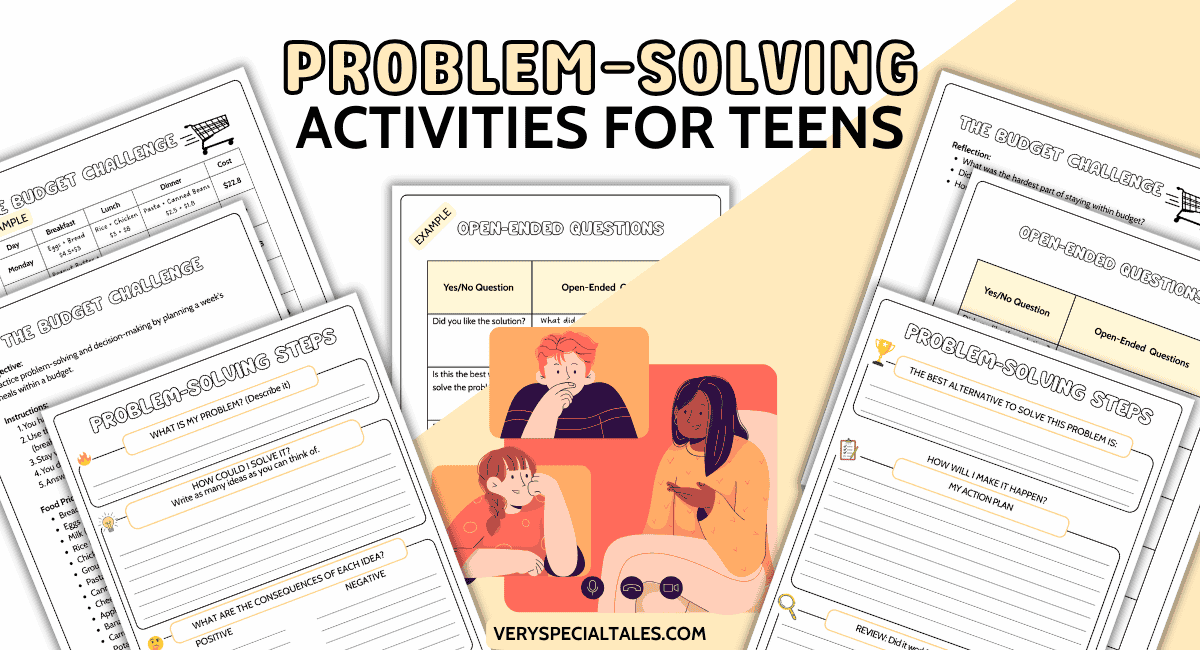
- Problem-solving – Identifying what’s in their control and brainstorming options.
- Burning negative energy – A run, a workout, dancing, or even a brisk walk to burn off adrenaline.
- Creative outlet to process feelings: Journaling, music, art, or photography can express complex feelings.
- Healthy distraction to cool down: Puzzles, drawing, a short game, then revisit the issue.
- Talking it out – Choosing a trusted friend, family member, or counselor.
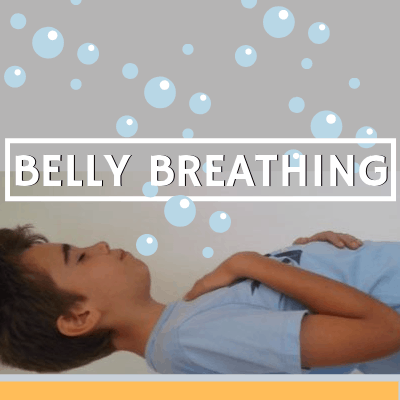
- Mind and body calming techniques – Deep breathing, progressive muscle relaxation, or guided imagery.
Other Anger Management Resources for Teens
Find more practical tools and ideas to help teens manage anger, build insight, and choose healthy next steps:
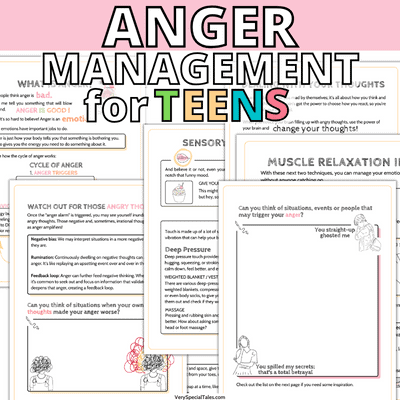
Anger Management Workbook for Teens:
A practical workbook for teens to learn what anger is, spot triggers and signs, and choose healthy responses.
Anger Management Activities for Teens:
A blog post that explores anger signs and triggers in teens and effective anger management techniques to help your young person address their frustrations in a positive way.
A powerful metaphor and practical tool that helps teens understand how anger builds up over time, often fueled by hidden emotions, stress, and unresolved situations.
Anger Iceberg Worksheets for Teens (PDF Download)
In your free Anger Iceberg PDF, you’ll find:
- Quick guide: what the Anger Iceberg is and how to use it
- Visible anger signs (tip of the iceberg)
- Hidden feelings and common anger triggers for teens (ideas checklist)
- Anger Iceberg — pre‑filled example
- Anger Iceberg — blank template
- “Exploring the Anger Iceberg” worksheet (Putting it all together – Reflect and plan)

Thank you this is really helpful