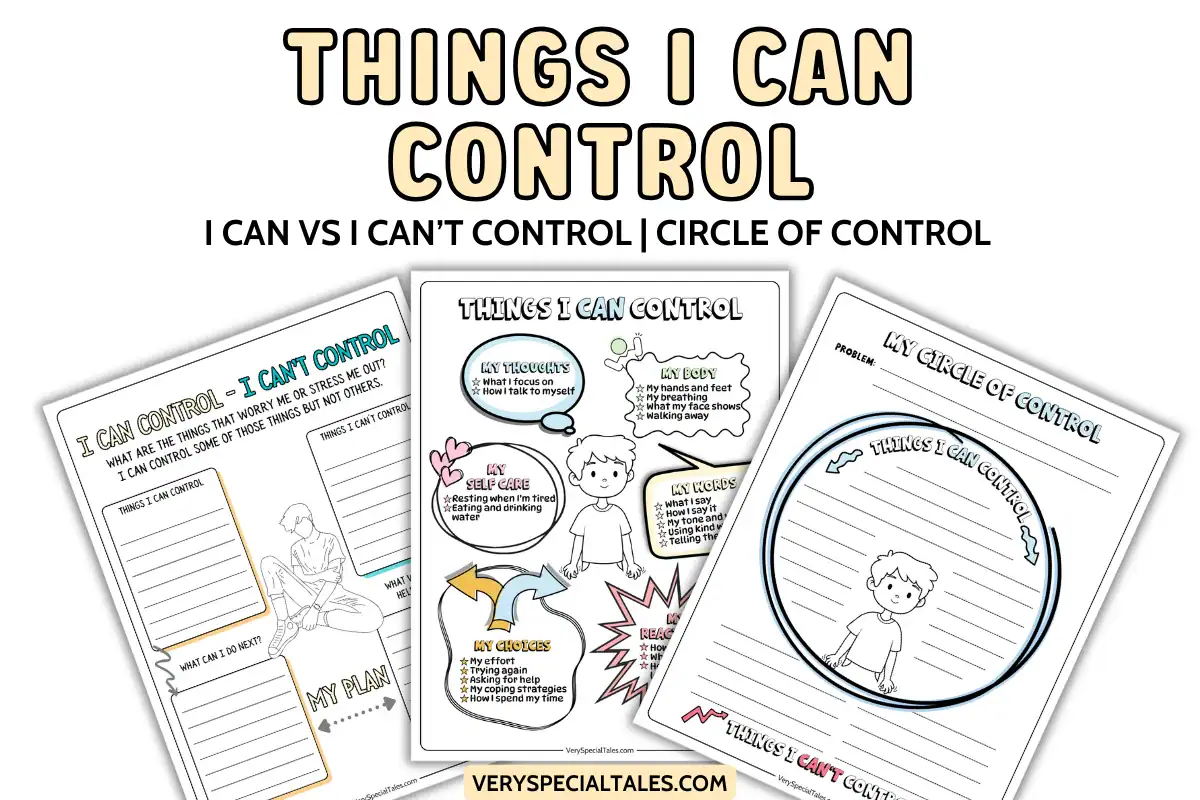
Explore how feeling in control can support emotional regulation and coping skills. Resources available for download include Circle of Control, Things I Can Control, and I Can vs I Can’t Control worksheets.
Do you realize how often we feel stuck, frustrated, or stressed about things that are completely out of our control?
Someone else’s behavior. A mistake we’ve already made. An outcome we can’t change, or that hasn’t even happened yet.
Even when we can verbalize it and think rationally, it’s an easy trap to fall into.
For kids and teens, this is even harder. They may not yet have the skills to clearly identify what they can control versus what they can’t, or the self-regulation skills to pause, think, and respond calmly.
The Things I Can Control worksheets we will explore today will help kids:
- Shift their attention away from what’s draining their energy and toward what they can actually control.
- Understand something essential: even when they can’t control a situation, they can still control how they act and respond.
Understanding What We Can Control (and Why It Matters)
Feeling in control is important for all of us. When we can identify something we have influence over, we can take action, problem-solve, and work toward making things better.
The difficulty is that not everything is within our control.
Some situations can be changed. Others can’t. And when we don’t clearly distinguish between the two, it’s easy to feel stuck, frustrated, or overwhelmed, regardless of age.
Learning to tell the difference is a key emotional skill.
When something is within our control, it makes sense to focus our energy there. We can make choices, try different strategies, ask for help, or adjust our behavior. In these situations, effort can genuinely lead to change.
When something is not within our control, continuing to push against it rarely helps. The situation stays the same, but our stress and frustration tend to grow.
But here’s the important part.
Even when we can’t control what’s happening, we can still make decisions about ourselves: how we respond, what we say, what support we seek, or how we take care of our emotions in that moment.
This is where a sense of control can be rebuilt.
Understanding this distinction helps reduce feelings of helplessness and gives us tools to handle frustration, uncertainty, and disappointment more effectively.
And this is exactly the skill we want to help kids and teens develop.
How to Teach Kids What Control Really Means
Control means having the power to influence what people do or how a situation turns out.
When introducing this idea to kids, it helps to keep it very practical. Some things can be worked on or changed, and some things can’t. Learning to tell the difference is the first step.
What Does Control Look Like in Real-Life Situations?
A helpful way to teach control is to start with real-life situations that already matter to the child or teen.
Invite them to describe what is worrying or stressing them. The goal at this stage is simply to name the situation.
For example:
- A friend not wanting to play
- A poor grade on a test
- A disagreement with a sibling
- Feeling nervous before an event
- A rule they don’t like
Situations like these often have different layers. At first, they may look like things we can’t control. But even in these situations, there are usually parts we can influence.
Sort the Situation: Things I Can Control vs Things I Can’t Control
Once a specific problem has been identified, the next step is to sort it.
Help the child look at the situation and ask:
- Is this something I can change or influence?
- Or is this something that is outside my control?
This step is about identifying what is realistically within their influence, not what they wish they could control.
For example:
- They can’t control what another child says
- They can’t change a rule that’s already in place
- They can’t undo a mistake that already happened
At the same time, it’s important to identify what is still within their control, especially in situations that initially feel out of reach.
The Things I Can Control poster shown below can be used as inspiration. It introduces common areas where children usually have more influence and can help them generate their own ideas.

For example, we can control:
- Our words and actions
(What I say, how I say it, how I treat others, honesty, following rules) - Our body
(Gentle hands, breathing, movement, taking breaks, calming strategies) - Our reactions
(How I respond to problems, losing, mistakes, disappointment, other people’s behavior) - Our choices
(Effort, trying again, asking for help, what I do next, how I spend my time) - Our thoughts and self-talk
(What I focus on, how I talk to myself, choosing helpful thoughts) - Our self-care
(Rest, food, water, noticing when my body needs something)
Another helpful resource for this step is the Circle of Control worksheet, which helps children visually separate what is within their control from what is outside it. This worksheet is also available for download at the end of the article.
Once a problem has been sorted, the next step is to take one of the things that is within the child’s control and decide what to do next.
Example: Worrying About a Bad Grade on a Test
If a child feels worried about getting a bad grade, these are some examples of things they might identify as being within and outside their control.
Things I can’t control:
- The questions that will be on the test
- The time limit during the test
- The grade I will receive
Things I can control:
- How I study or prepare for the test
- Asking the teacher to clarify doubts
- Whether I ask for help or extra practice
- Using strategies to help me stay calm during the test

Shifting Focus to What Kids Can Still Control
Not being able to change a situation does not mean being powerless.
Once a child has identified what is outside their control, the focus shifts to what is still within it. Even when kids can’t influence what’s happening, they can make decisions about themselves, how they respond, what they try next, and how they cope.
You can guide them to reflect on questions such as:
- What could I do next?
- What might help me handle this situation better?
- Who could help me with this?
At this stage, each side of the worksheet serves a different purpose.
- The “can control” side supports problem-solving, decision-making, and planning next steps.
- The “can’t control” side creates opportunities to explore coping skills

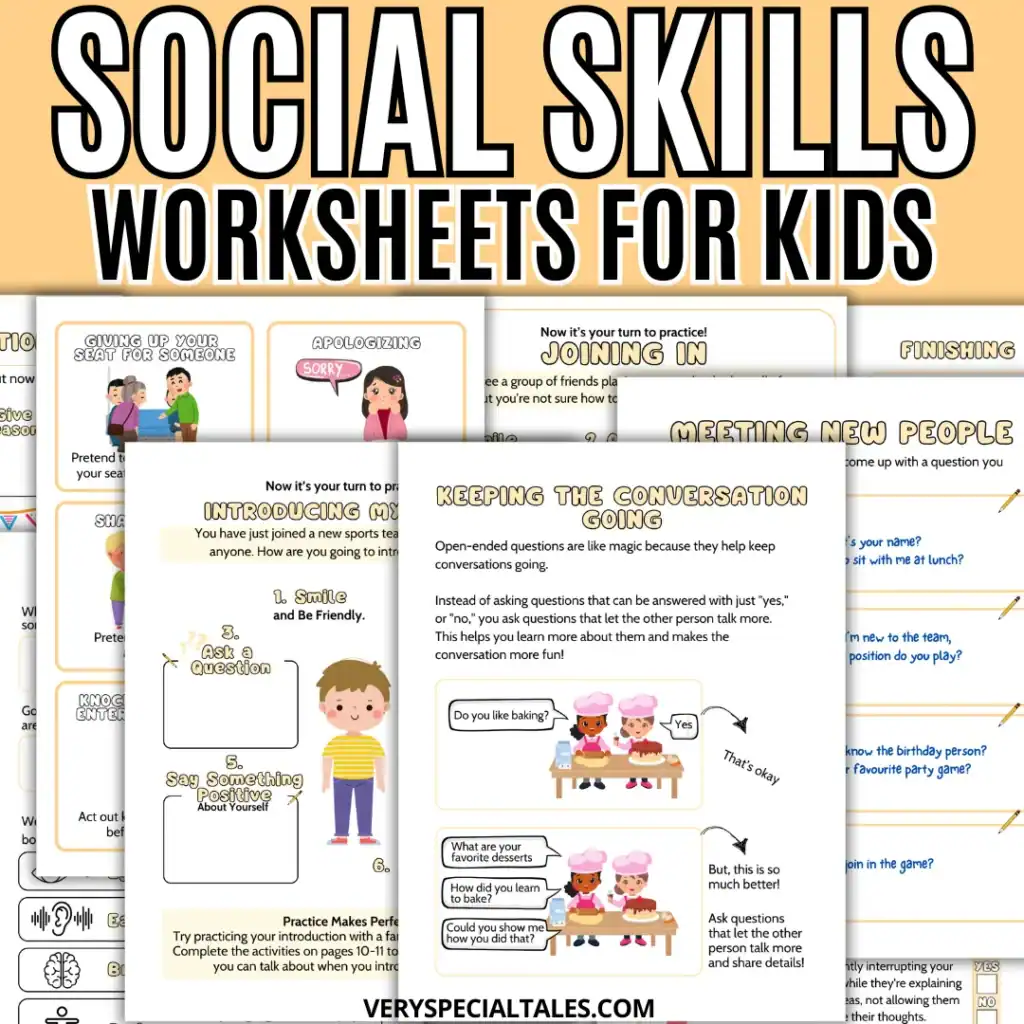
Related Workbooks to Build Coping, Self-Regulation, and Emotional Skills


Related blog articles:
- 43 Anxiety Activities for Kids
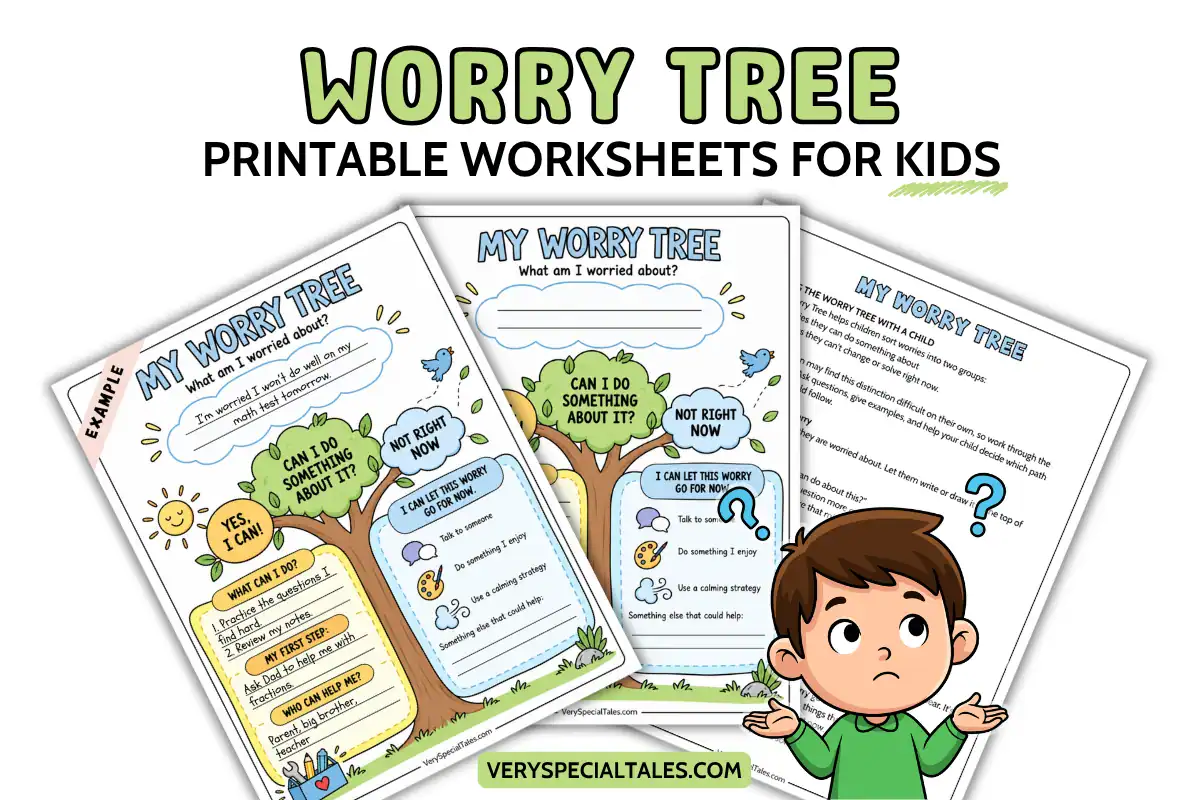
- Worry Tree (Kids Version)
- Worry Tree (Teen Version)
- 21 Impulse Control Activities for Kids
- Anger Management Activities for Kids
Download the Circle of Control + What I Can Control vs Can’t Control worksheets
If you’d like ready-to-use printables for home, the classroom, or counseling sessions, you can download the What I Can Control set of worksheets below.
The set includes:
- Things I Can Control Poster
- Circle of Control Worksheet
- Things I Can Control vs Things I Can’t Control Worksheet

Your social skills and reflection stuff are great!